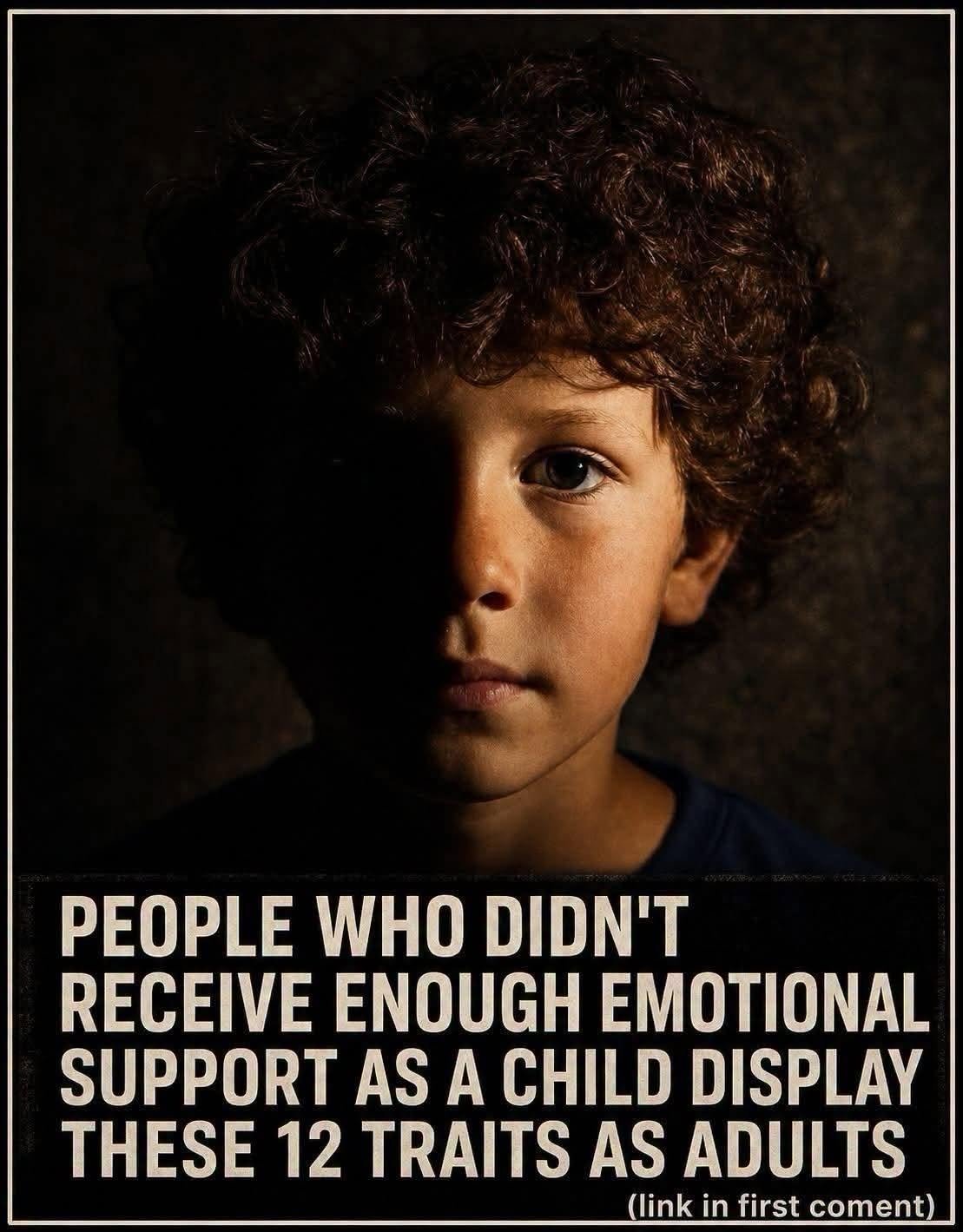
Lack of emotional support can have profound and long-lasting impact on the child’s development and overall wellbeing. Unlike physical abuse, which is manifested with visible injuries, emotional abuse and the lack of emotional support can be the result of habitual behaviors that contribute to the destruction of the child’s feelings of self-worth and security.
Emotional abuse can take a variety of forms, ranging from constant criticism, belittling, and mocking, to silencing the child or setting them up with unrealistic expectations.
In many cases when this form of abuse is present,
the child can be overprotected, denied normal social interactions like those his peers have with their friends or family members, or subjected to frightening or disturbing experiences such as bullying or domestic violence.
Often, emotional abuse is present along with other forms of abuse but it can also occur alone, through neglect, manipulation, or simply by withholding of love and support.
The effects of the emotional abuse they experience can easily affect every aspect of the child’s life, from emotional control, to self-esteem, concentration, learning, and socialization.
Children who have
been emotionally abused may be shy and withdrawn, anxious, or overly clingy, and some may even develop certain self-soothing behaviors such as rocking or similar repetitive movements.
Also, they may experience problems with their sleeping, eating, and communicating. Sadly, most children who have gone through such negative experience such as emotional abuse, tend to bring their feelings of shame or fear with them into adulthood.
Because symptoms can be very subtle, emotional abuse is often is missed, and the impact of it is great because it shapes the child’s view
of themselves, of relationships, and of the world around them.
It is crucial to identify and treat emotional abuse and lack of emotional support, because with early intervention and nurturing, it is possible to mitigate its long-term effects.
Unsplash
According to a research by the NSPCC involving 2,275 young people aged 11 to 17, one in fifteen children have been subject of emotional abuse in the UK. This is supported by the data from Childline which shows more than 11,000 contacts to the helpline and nearly 5,000
counseling sessions on the topic of emotional abuse in the year 2021-2.
The Crime Survey for England and Wales (CSEW) estimated that 1 and 11 adults aged 18 to 74 had experienced emotional abuse before reaching 16 years of age. It was also determined that the abuse came mainly from the children’s parents.
Members of the mental health community The Mighty have shared personal examples of how emotional abuse in childhood have shaped their adulthood. Many of these experiences are relatable and it’s hard when you see some of themcounseling sessions on the topic of emotional abuse in the year 2021-2.
The Crime Survey for England and Wales (CSEW) estimated that 1 and 11 adults aged 18 to 74 had experienced emotional abuse before reaching 16 years of age. It was also determined that the abuse came mainly from the children’s parents.
Members of the mental health community The Mighty have shared personal examples of how emotional abuse in childhood have shaped their adulthood. Many of these experiences are relatable and it’s hard when you see some of them
in yourself.
The message, however, is one of hope and serves as a reminder that we are not alone in these struggles and that change is very real and possible.
1. Personality disorders
Continued on next page:
“[I have] attachment issues, trust issues [and am] paranoid that everyone will leave me. A lot of this is part of my BPD…”
During childhood, the development of the brain goes through crucial stages, and traumatic experiences can have an impact on this process. Studies comparing the brain scans of people who
went through trauma during their childhood and those who didn’t and identified lasting differences in those with childhood trauma or emotional abuse. Such differences are often seen in the parts of the brain that regulate impulse control, stress response, and managing emotions. This makes people with childhood trauma more vulnerable to mental health challenges and personality disorders.
2. Mental health issues
“I have major issues with anxiety and depression because of my childhood. The biggest factor is I cannot communicate well and I don’t know how to express my feelings
with others because I am so used to just holding them inside because I wasn’t allowed to share how I felt. When tense situations arise, I get nauseous and uncomfortable, [and] my anxiety levels skyrocket…”
Large-scale research found that individuals who have experienced trauma during childhood are more likely to experience mental health struggles later in life, including depression, anxiety, and PTSD.
Research has also found that adverse childhood experiences, such as abuse and neglect, increase the risk of developing substance use disorders, and that individuals who have experienced multiple
adversities in childhood are particularly at risk of alcohol and drug problems in later life.
Pexels
3. Over-apologetic
“I become apologetic over everything. If someone doesn’t text back, I’ll believe they’re upset with me, and I’ll apologize. If I ask for something and annoy them, I’ll apologize. Everything becomes a situation where I feel like I’m to blame.”
Being too apologetic, even for things that are out of your control, could be a sign of emotional abuse in childhood. This is because these adults grew up in a household where
they were constantly blamed and criticized, making them feel like everything had been their fault even when it wasn’t so they coped with the trauma by offering constant apologies.
For Complete Cooking STEPS Please Head On Over To Next Page Or Open button (>)