How Did They Work?
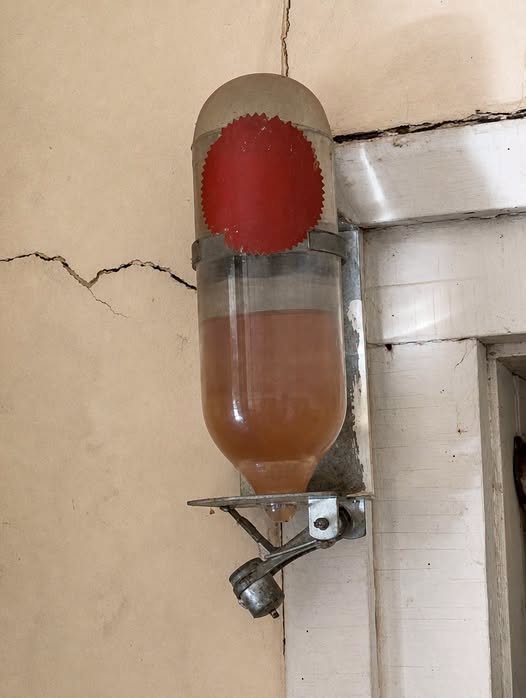
The operation of early glass fire-suppression devices depended on the particular product.
Emergency & Disaster Preparedness
Some glass fire grenades contained liquids intended to help suppress flames. When the container broke, the liquid spread over a limited area in an attempt to control a small fire.
At the time, such products were promoted as convenient fire-safety tools for homes, businesses, and other buildings.
Fire & Security Services
However, historical fire-suppression methods should not be confused with modern fire extinguishers. Their effectiveness varied, and old glass devices may contain unknown or hazardous substances.
For that reason, antique examples should be treated as collectibles rather than usable safety equipment.
Vehicle & Traffic Safety
A Glimpse Into Early Fire Safety
The development of fire-safety equipment reflects a long history of attempts to reduce the risks associated with household and workplace fires.
Before modern extinguishers became widely available, people relied on a variety of approaches, including buckets of water, sand, manual pumps, and specialized products marketed for fire suppression.
Fire Extinguishers
Glass fire grenades were one part of that broader history. Their existence illustrates how manufacturers experimented with ways to make fire-suppression tools accessible and convenient.
As technology advanced, newer extinguishing systems and safety standards changed the way fires were managed.
Chemicals Industry
Today, modern fire extinguishers are designed and tested according to specific requirements, making them much more appropriate for present-day fire-safety needs.
Why Collectors Find Them Fascinating
Antique glass fire extinguishers attract interest for several reasons.
Their unusual appearance: The combination of glass, distinctive colors, and historic labels makes them visually memorable.
Their historical purpose: Unlike purely decorative antiques, these objects were created for a practical role in everyday safety.
Emergency & Disaster Preparedness
Their craftsmanship: Glass-making techniques, embossed lettering, and manufacturing details can provide clues about how and when an item was produced.
Their connection to the past: They offer a tangible reminder of earlier approaches to household safety and the evolution of fire-prevention technology.
Fire & Security Services
For collectors, the appeal often comes from the combination of design, rarity, condition, and historical significance.
Are Antique Glass Fire Extinguishers Safe to Handle?
Although these objects can be fascinating collectibles, caution is important.
An antique glass fire extinguisher may be fragile, and its contents may be unknown. Some historical fire-suppression products used chemicals that are not suitable for casual handling.
Antiques & Collectibles
Collectors should avoid opening, breaking, shaking, or attempting to use an old device. If a container appears damaged, leaking, or unsealed, it is best to avoid direct contact and seek advice from a qualified antiques conservator or hazardous-materials professional.
A modern, properly maintained fire extinguisher should always be used for present-day fire protection.
Preserving a Piece of Fire-Safety History
For those who appreciate historical objects, antique glass fire extinguishers offer an unusual combination of craftsmanship and practical history.
Vehicle & Traffic Safety
They represent an era when manufacturers were exploring different ways to make fire-suppression tools available to ordinary households and businesses. Their distinctive glass designs have since become part of their appeal as collectibles.
What once served a practical purpose may now be displayed as a reminder of how technology, safety practices, and everyday products have evolved.
These antique objects are more than unusual glass containers. They are small pieces of industrial and domestic history—artifacts that help tell the story of how people once approached the important task of protecting their homes and workplaces from fire.
For Complete Cooking STEPS Please Head On Over To Next Page Or Open button (>)