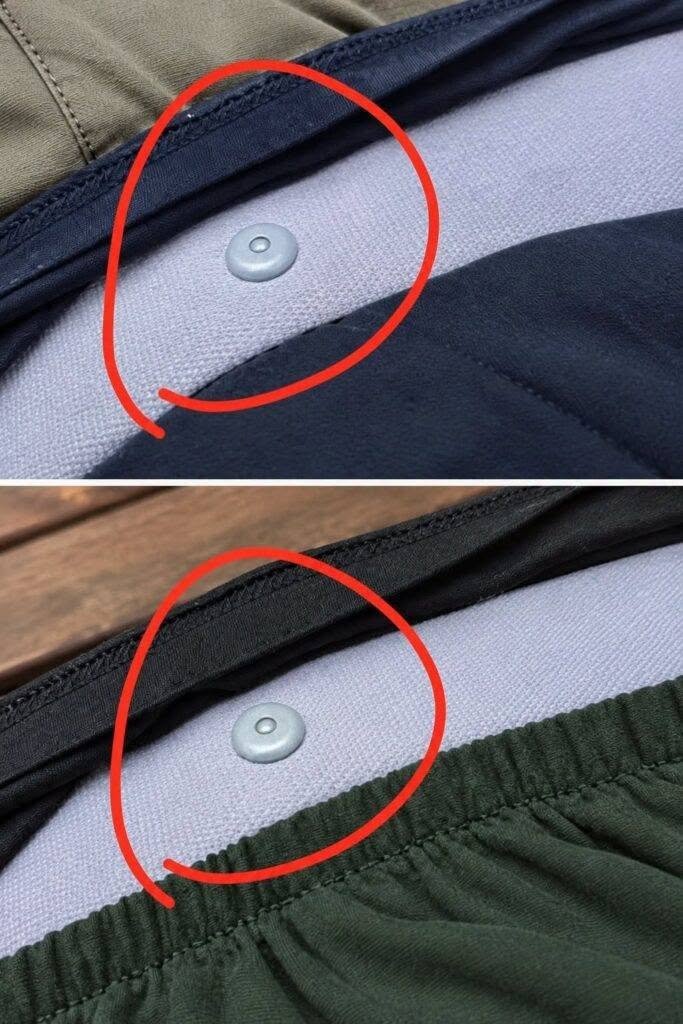
A seat belt that is difficult to reach or repeatedly falls into an awkward position may encourage poor habits, such as leaving it twisted, incorrectly positioned, or not fastening it at all.
The button helps prevent that problem by limiting how far the latch plate can travel along the webbing.
Does the Button Protect You During a Crash?
Not directly.
The small button is not designed to absorb crash forces or hold your body in place. The seat belt’s webbing, buckle, retractor, pretensioner, and other components perform those critical safety functions.
During a serious collision, the restraint system is designed to keep the occupant properly positioned and manage the forces generated by the crash.
Depending on the vehicle, modern seat belts may also work with pretensioners and other restraint technologies. These systems can tighten the belt rapidly when a crash is detected, helping reduce excessive movement of the occupant.
That is why it’s important not to confuse the little stop button with the components that actually provide restraint during a collision.
What Happens If the Button Is Missing?
If the stop button falls off, the seat belt may still buckle and function as intended because the button itself is not the primary restraint component.
However, the metal latch plate can slide much farther along the belt. This can make the belt harder to grab and may allow the latch plate to end up in an inconvenient location.
A missing button should therefore be treated as a small repair issue rather than something to ignore indefinitely.
The exact repair method can vary by vehicle and seat belt design. A qualified technician can determine whether the stop button or surrounding belt assembly needs attention.
Should You Glue or Tape the Button Back On?
It’s better not to improvise a repair using glue, tape, clips, or other household materials.
Seat belts are safety-critical components, and modifications to the webbing can potentially affect how the restraint system functions.
If the button is damaged or missing, consult the vehicle manufacturer, dealership, or a qualified automotive restraint-system technician about the correct replacement part and installation method.
Never sew, cut, drill, melt, or otherwise modify the seat belt webbing yourself.
The Most Important Part: Proper Seat Belt Position
While the little button helps manage the position of the latch plate, the part that matters most for occupant protection is how you actually wear the seat belt.
For most adults, the shoulder portion should cross the chest and rest across the shoulder rather than sitting against the neck. The lap portion should sit low and snug across the hips and upper thighs.
The belt should also lie flat rather than being twisted.
If your vehicle has an adjustable shoulder-belt anchor, use it to find a comfortable position that keeps the belt properly aligned with your body.
What About Children and Seat Belts?
Children require special attention because an adult-sized seat belt may not fit them correctly.
Depending on a child’s age, size, and the laws where you live, a properly installed child safety seat, booster seat, or seat belt may be appropriate.
A booster seat is generally used to position the vehicle’s seat belt correctly across a child’s body. The shoulder belt should not be placed behind the child’s back or under the arm simply because it feels more comfortable.
Parents and caregivers should follow both the vehicle manufacturer’s instructions and the child restraint manufacturer’s instructions.
Check Your Seat Belt Regularly
You don’t need to spend much time inspecting your seat belt. A quick visual check can help you notice obvious problems.
Look for:
Frayed or cut seat belt webbing
Twisted sections of the belt
A damaged buckle
A latch plate that doesn’t lock properly
A belt that fails to retract normally
Unusual looseness or damage around the retractor
Missing or damaged stop buttons
Warning lights related to the vehicle’s restraint system
If you notice a problem, don’t assume the belt is safe simply because it still buckles.
Have the system inspected by a qualified professional.
Never Ignore a Seat Belt Warning Light
If your vehicle displays a seat belt or airbag warning light, don’t ignore it.
Modern vehicles often have multiple components working together as part of the supplemental restraint system. A warning light can indicate a problem that isn’t visible from the outside.
Because airbags and seat belts are connected to important safety systems, professional diagnosis is the safest approach.
Why Small Seat Belt Components Deserve Attention
It’s easy to assume that only large mechanical parts matter when it comes to vehicle safety.
But safety systems are made from many individual components, and small pieces can have practical roles in keeping everything positioned and usable.
The tiny round stop button is a good example. It isn’t the component that saves you in a crash, but it helps keep the latch plate where you can easily find and use it.
That simple function supports one of the most important habits in driving: wearing your seat belt correctly every time.
A 10-Second Seat Belt Check
Before driving, take a few seconds to make sure:
The belt is securely buckled.
The shoulder belt crosses your chest and shoulder.
The lap belt sits low across your hips.
The webbing isn’t twisted.
The buckle and latch plate appear undamaged.
The belt retracts normally.
There are no obvious cuts, frays, or other damage.
Any seat belt or airbag warning light is addressed.
These checks take almost no time, but they can help you identify problems before they become more serious.
Final Thoughts
That tiny round button on your seat belt may be easy to overlook, but it serves a practical purpose: keeping the metal latch plate from sliding too far down the belt when the belt isn’t being worn.
It isn’t a substitute for the seat belt’s actual restraint components, and it isn’t what protects your body during a crash. The webbing, buckle, retractor, pretensioner, and other safety systems perform those critical functions.
Still, the little button is a reminder that even the smallest parts of a vehicle can have a specific job.
So the next time you get into your car, take a moment to look at your seat belt. Make sure it is properly positioned, free of visible damage, and functioning normally. If a component is broken or missing, have it inspected rather than attempting an improvised repair.
A seat belt only helps when it is used correctly—and the safest habit is also the simplest one: buckle up every time, on every trip.
For Complete Cooking STEPS Please Head On Over To Next Page Or Open button (>)